
Sexually Transmitted Diseases (STDs) | Know the Facts and Protect Yourself
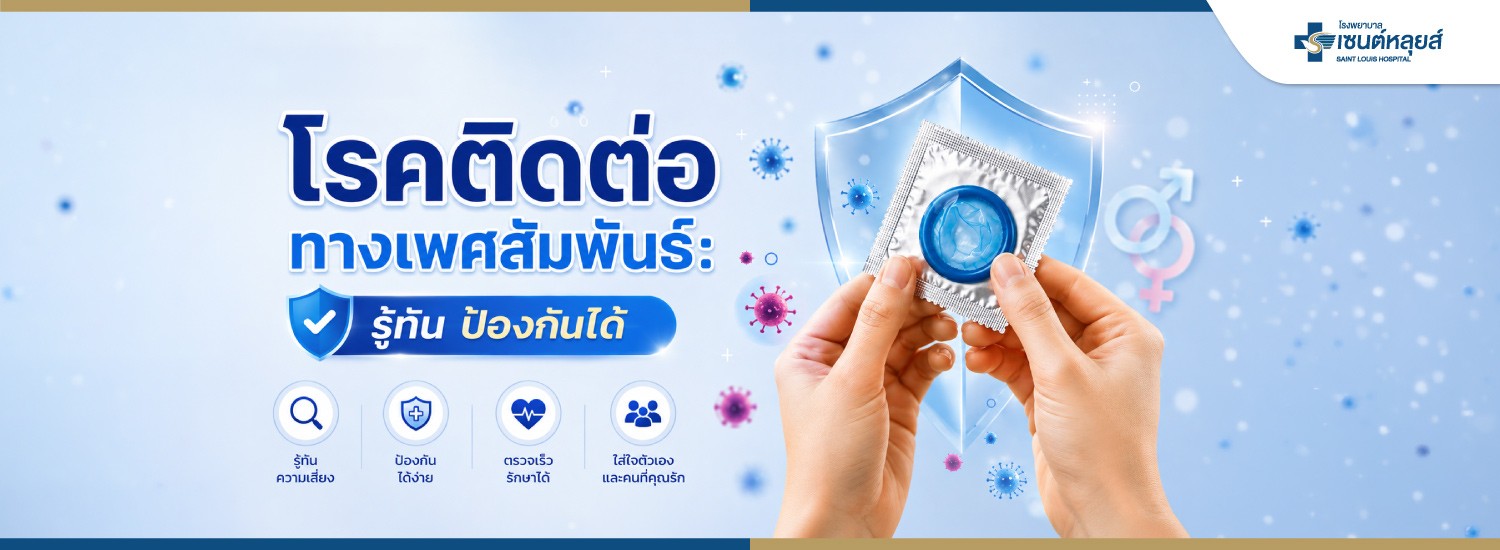
Sexually Transmitted Infections (STIs) are infections passed from one person to another through vaginal, anal, or oral sex. Some can also be transmitted through blood, sharing needles, or from mother to child during pregnancy, childbirth, or breastfeeding.
Common STIs include:
-
Gonorrhea – Symptoms include a burning sensation when urinating and abnormal discharge from the genitals.
-
Chlamydia – Often asymptomatic, but if left untreated, it can lead to infertility.
-
Syphilis – Usually starts with a painless sore, followed by a rash. If left untreated, it can cause severe damage to the brain, heart, and nervous system.
-
Genital Herpes – Causes painful blisters and sores in the genital area. It can recur.
-
Genital Warts – Caused by HPV, resulting in small fleshy bumps or warts around the genitals or anus.
-
HIV – Damages the immune system. If left untreated, it can develop into AIDS.
-
Hepatitis B – Transmitted through sexual contact and blood. A vaccine is available for prevention.
Symptoms to watch for:
-
Abnormal vaginal discharge or pus
-
Pain or a burning sensation during urination
-
Sores, blisters, or warts around the genitals, mouth, or anus
-
Itching or pain in the genital area
-
Lower abdominal pain
-
Some STIs may have no symptoms at all, meaning a person might not know they are infected.
Prevention:
-
Use a condom every time you have sex.
-
Be mutually monogamous with a partner who has been tested for STIs.
-
Get vaccinated against HPV and Hepatitis B as recommended.
-
Get tested regularly for STIs if you are at risk.
-
Avoid sharing needles with others.
What to do if you suspect an infection:
-
Abstain from sex or use condoms until you are evaluated by a healthcare professional.
-
See a doctor for a proper diagnosis and prompt treatment.
-
Inform your partner(s) so they can get tested and treated if necessary.
-
Complete your medication or strictly follow the doctor’s instructions, even if your symptoms have improved.
Treatment: Some STIs, such as syphilis and gonorrhea, can be cured with antibiotics. Viral infections, like HIV and herpes, cannot be cured, but symptoms can be managed and the risk of transmission can be reduced with appropriate treatment. Patients should strictly follow their doctor’s medication instructions and inform their partners to get tested and treated if necessary.
STIs are preventable health issues with the right knowledge and appropriate behaviors. Consistent condom use, regular health screenings, and seeking treatment when abnormalities occur will effectively help reduce the spread of these diseases and promote the sexual health of both yourself and others.
References: Department of Disease Control, World Health Organization (WHO)