
CARDIAC MRI
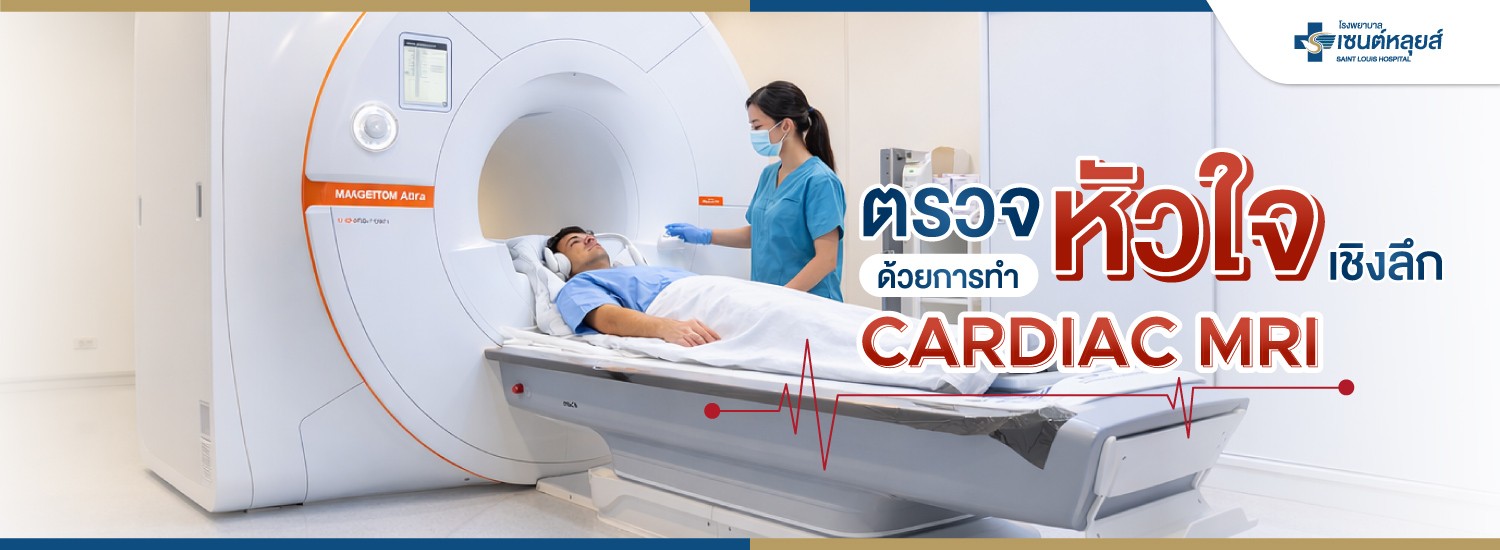
Stress Cardiac MRI is a diagnostic imaging test used to evaluate blood flow to the heart muscle and provide a detailed assessment of heart function. The scanner uses strong magnetic fields and radio waves, processing the signals via a computer to create highly detailed images. Because it does not use X-rays, patients are not exposed to any harmful ionizing radiation.
Preparation Before the Test
-
Patients cannot undergo a Cardiac MRI if they meet any of the following contraindications:
-
Have non-titanium cerebral aneurysm clips.
-
Have metallic implants (e.g., pacemakers, defibrillators).
-
Have metal fragments or shavings in or around the eyes.
-
Are pregnant or currently breastfeeding.
-
Are unable to lie flat or suffer from severe claustrophobia (fear of enclosed spaces).
-
-
A clinic nurse will contact you 1–2 days before the test date to confirm your appointment.
-
Fasting: You must abstain from food and water for at least 4 hours before the scan. Essential medications approved by your doctor can still be taken with a small sip of water.
-
No Caffeine: You must avoid all caffeine for at least 24 hours prior to the test, including tea, coffee, cocoa, chocolate, and carbonated sodas. You must also stop taking any specific medications your doctor has instructed you to hold 24 hours beforehand.
-
If possible, bring a relative or companion with you on the day of the test.
During the Stress Cardiac MRI Procedure
-
Upon arrival, the staff will explain the procedure details, and you will be asked to sign an informed consent form.
-
You must remove glasses, dental appliances (dentures), shoes, and any medical skin patches before entering the scan room.
-
After changing into a hospital gown, an intravenous (IV) line will be inserted into a vein in both arms.
-
In the MRI room, you will lie on the scanner bed with a pillow. A magnetic signal receiver coil will be placed over your chest, and you will be given headphones with a built-in microphone.
-
You will receive a medication to dilate the coronary arteries (Adenosine) through the IV in your left arm. You may feel a temporary flushing, warmth, or pressure in your chest and head, but this is brief, lasting no more than 5 minutes. This is followed by a Gadolinium contrast injection in your right arm. Gadolinium is iodine-free, making it safe for patients with a seafood or iodine allergy.
-
The scanner makes loud tapping or thumping noises intermittently. The provided headphones will help muffle the sound.
-
You can communicate with the medical team at all times via the two-way intercom inside the scanner.
-
Lie comfortably and completely still, following the voice instructions over the headphones, such as being asked to hold your breath for 5–10 seconds at a time.
-
A nurse will be in the room with you to periodically monitor your blood pressure and heart rate.
Post-Procedure Care
-
After the scan is complete, you will be observed for about 15 minutes before being allowed to go home.
-
You may then resume your normal diet, medications, and daily activities.
-
Complications: Allergic reactions to the Gadolinium contrast are rare (occurring in less than 5% of patients) but may include shortness of breath, skin rash, or itching. Inform the staff immediately if you experience any of these symptoms.
Total Duration The procedure takes approximately 50–60 minutes inside the MRI scanner, plus an additional 30 minutes for preparation and post-test observation.
Recommended Doctors