
Skin Cancer: Know It. Spot It. Treat It.
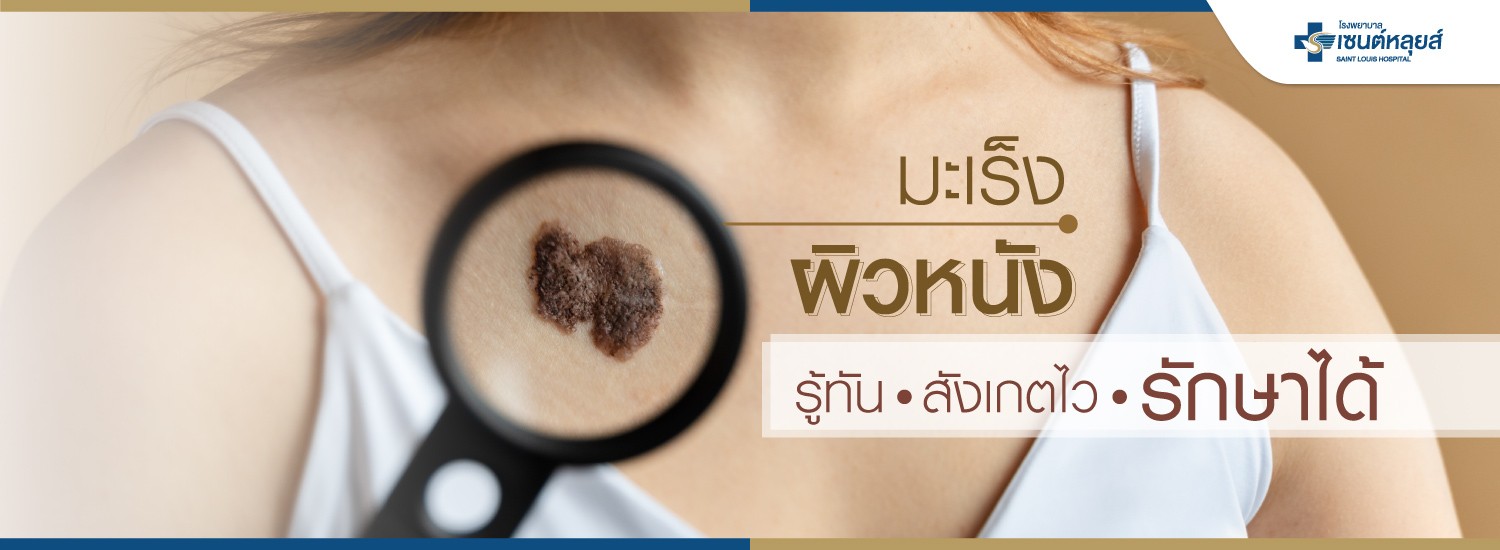
Skin cancer is a condition where skin cells grow and divide abnormally, eventually becoming cancerous. It typically occurs on skin frequently exposed to the sun, such as the face, arms, hands, and legs, but it can develop anywhere on the body.
This disease is highly curable if detected in its early stages. Therefore, observing skin abnormalities and seeking timely medical diagnosis is extremely important.
Types of Skin Cancer Skin cancer is classified into 3 main types:
-
Basal Cell Carcinoma (BCC): The most common type, usually occurring in areas with chronic sun exposure. It appears as a smooth, shiny, pink or red bump, grows slowly, and has a relatively good prognosis.
-
Squamous Cell Carcinoma (SCC): The second most common type. It appears as a firm bump or a sore on the skin that may be scaly, crusty, and bleed easily. If left untreated, it can spread to other parts of the body.
-
Melanoma: Less common but highly aggressive. It originates from pigment-producing cells and often starts from a mole or freckle that changes in size, has uneven colors, or an irregular shape.
Causes and Risk Factors Key factors contributing to skin cancer include:
-
Prolonged exposure to ultraviolet (UV) radiation from the sun
-
Fair skin or having less melanin pigment
-
Working outdoors or regular exposure to intense sunlight
-
A family history of skin cancer
-
Having numerous or atypical moles/freckles
-
A compromised immune system, such as in HIV patients
-
Exposure to hazardous chemicals, like arsenic
-
Radiation exposure or radiation therapy
-
Smoking
-
Chronic skin ulcers or wounds
Symptoms and Warning Signs Skin cancer can often be observed with the naked eye. Important signs to watch for include:
-
A bump or nodule on the skin
-
A chronic sore that does not heal within 1–3 months
-
A sore that is scaly, cracks, or bleeds easily
-
Changes in a mole or freckle, such as:
-
Growing rapidly in size
-
Uneven or multiple colors
-
Asymmetrical shape with irregular borders
-
-
A chronic rash that develops into a raised bump
Warning Signs in Nails
-
A black or brown streak on the nail
-
A streak wider than 3 millimeters
-
Uneven color or blurred borders
-
The pigmentation extending into the cuticle or base of the nail
Diagnosis
-
Self-Examination: Regularly check your skin, especially sun-exposed areas. If any abnormalities are found, consult a doctor promptly.
-
Medical Examination: A doctor will evaluate the lesion. If skin cancer is suspected, a skin biopsy will be performed for pathological analysis, which provides highly accurate results. In some cases, “precancerous lesions” may be found, which require close monitoring.
Treatment Guidelines Treatment depends on the type and stage of the disease. Current methods include:
-
Surgery: The standard and highly effective method involving the surgical removal of the tumor along with some surrounding healthy tissue. It offers a high cure rate, especially in early stages.
-
Curettage and Electrodessiccation: Suitable for small tumors. A sharp instrument is used to scrape away the cancer tissue, followed by an electric current to destroy any remaining cancer cells.
-
Cryotherapy: Liquid nitrogen is used to freeze and destroy cancer cells. This is suitable for early-stage skin cancers.
-
Other Treatments: In certain cases, a doctor may consider:
-
Topical medications or immunotherapy
-
Laser therapy
-
Other specialized treatments as appropriate
-
Skin Cancer Prevention
-
Avoid intense sun exposure, especially between 10:00 AM and 4:00 PM.
-
Apply sunscreen regularly (SPF ≥ 30).
-
Wear protective clothing, hats, and sunglasses.
-
Avoid using tanning beds.
-
Perform regular skin self-examinations.
-
See a doctor if any abnormalities are detected.
Skin cancer is a disease that can be noticed in its early stages and has a high chance of being completely cured if diagnosed and treated rapidly. Prevention by avoiding risk factors and undergoing regular skin check-ups is essential.
Reviewed by: DR.SOMBOON JARADVONGKAJORN
Recommended Doctors