Uterine Fibroids: What Every Woman Needs to Know
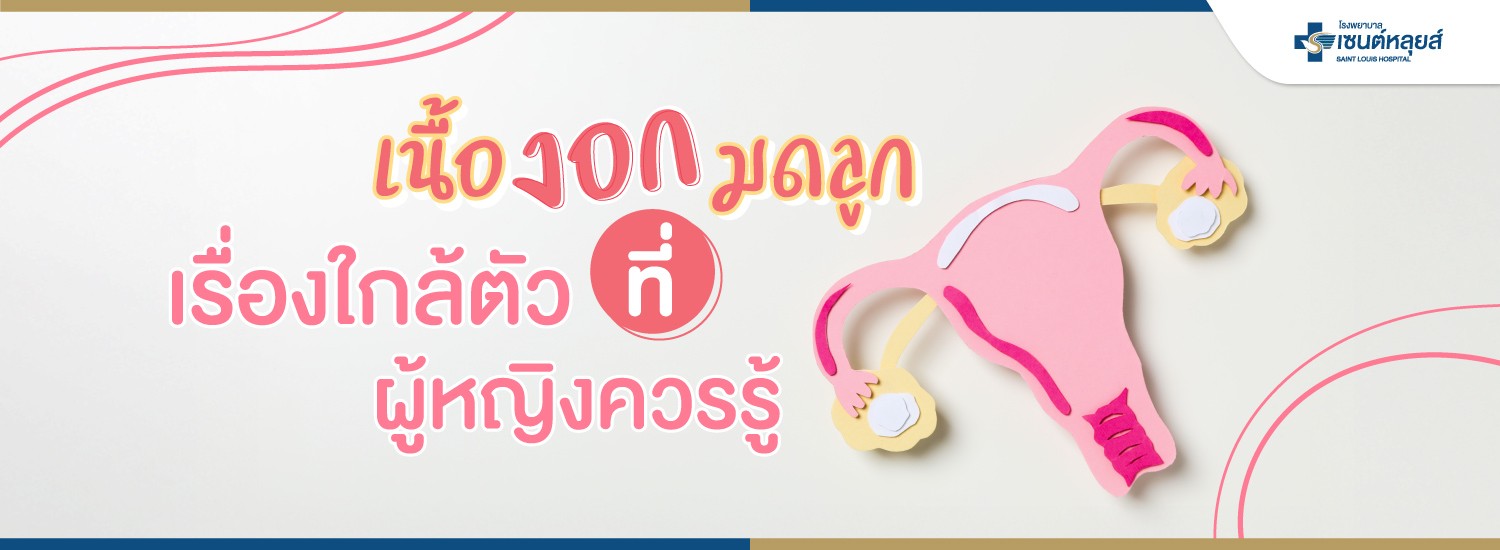
What are Uterine Fibroids? Uterine fibroids, also known as leiomyomas, are non-cancerous tumors that grow within or around the muscular walls of the uterus. They can range in size from tiny, almost undetectable nodules to large masses.
Causes and Risk Factors The exact cause of uterine fibroids remains unknown, but researchers believe they are linked to the hormones estrogen and progesterone, as well as genetic factors. Risk factors that may increase the likelihood of developing them include:
-
Being between 30 and 50 years of age.
-
A family history of uterine fibroids.
-
Obesity.
-
Consuming a diet high in fat and low in fruits and vegetables.
-
Early onset of menstruation (before age 12).
Symptoms of Uterine Fibroids Some women may experience no symptoms at all, but in some cases, symptoms may include:
-
Unusually heavy or prolonged menstrual bleeding.
-
Pelvic pain or a feeling of heaviness/pressure in the lower abdomen.
-
Frequent urination or difficulty urinating.
-
Constipation.
-
Backache or leg pains.
-
Difficulty getting pregnant or recurrent miscarriages.
Prevention Although it is impossible to prevent them with 100% certainty, you can reduce your risk by:
-
Eating a healthy diet rich in fruits, vegetables, and whole grains, while reducing high-fat foods.
-
Exercising regularly to help manage weight and reduce hormones that stimulate tumor growth.
-
Avoiding unnecessary estrogen-stimulating substances, such as unneeded hormone therapies.
-
Managing stress, as it can affect the body’s hormone levels.
Screening and Diagnosis Uterine fibroids are often discovered incidentally during a routine pelvic exam or ultrasound. If you experience abnormal symptoms, you should undergo examinations such as:
-
Pelvic Examination: To check the size and shape of the uterus.
-
Ultrasound (Abdominal or Transvaginal): To determine the size and location of the fibroids.
-
MRI or CT Scan: In some cases where more detailed information is needed.
Treatment Options Treatment depends on the patient’s symptoms, the size of the fibroids, and future pregnancy plans. Options include:
-
Watchful Waiting: If the fibroids are small and asymptomatic, doctors may simply recommend regular monitoring.
-
Medications:
-
Birth control pills or progesterone hormones to help control abnormal bleeding.
-
GnRH agonists to temporarily block hormones and shrink the fibroids (in certain cases).
-
-
Surgery:
-
Myomectomy: Surgical removal of only the fibroids, suitable for women who still wish to have children.
-
Hysterectomy: Surgical removal of the entire uterus, an option for those with severe symptoms who no longer wish to have children.
-
-
Minimally Invasive Technologies:
-
Uterine Artery Embolization (UAE): Blocking the blood supply to the fibroids, causing them to shrink.
-
MRI-guided Focused Ultrasound: Using high-frequency sound waves to destroy the fibroid tissue.
-
Post-Treatment Follow-up
-
Attend all scheduled follow-up appointments with your doctor.
-
Monitor for any abnormal symptoms, such as irregular periods, worsening abdominal pain, or feeling a palpable lump, and see a doctor for evaluation if these occur.
Uterine fibroids are a common condition, but most are not life-threatening. With proper awareness, they can be prevented, detected, and treated appropriately. Regularly observing your body and getting routine health check-ups are essential for your long-term health and well-being.
Recommended Doctors