
Osteoarthritis of the knee
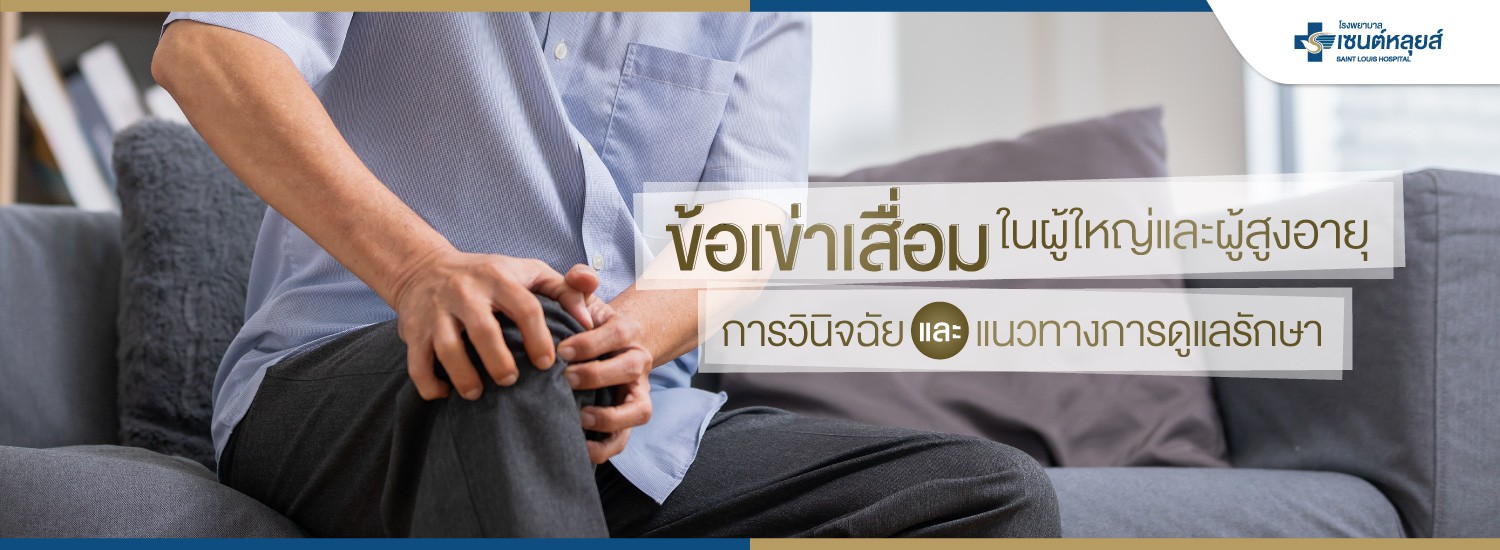
Knee osteoarthritis is a common condition, especially among middle-aged and older adults, and its prevalence continues to rise with the aging population. This condition is caused by the degeneration of the “articular cartilage,” which acts as a shock absorber and helps the joint move smoothly. When this cartilage wears down, it leads to bone rubbing against bone, resulting in pain, inflammation, and impaired mobility, which can significantly affect long-term quality of life.
Warning Signs of Knee Osteoarthritis
Knee osteoarthritis typically begins with mild symptoms that gradually worsen. Signs to watch out for include:
-
Knee pain, especially during activities like walking or going up and down stairs, which usually improves with rest.
-
Joint stiffness or tightness, particularly after sitting or remaining inactive for a long time.
-
A popping or cracking sound (crepitus) in the joint during movement.
-
Knee swelling or feeling unable to fully bend or straighten the knee.
-
In severe stages, joint deformity (such as being bowlegged) or difficulty walking may occur.
Causes and Risk Factors Knee osteoarthritis can be divided into two main categories:
-
Primary: Caused by age-related degeneration with no single clear cause.
-
Secondary: Caused by other factors, such as knee injuries, repetitive joint stress, or other forms of arthritis.
Key risk factors include:
-
Advancing age: Most common in older adults, and more prevalent in women than men.
-
Excess weight: Increases the mechanical stress on the knee joints, accelerating degeneration.
-
Heavy or repetitive knee use: Activities such as frequent kneeling, sitting cross-legged or on the floor, or repeatedly climbing stairs.
-
Weak thigh muscles: Forces the knee joint to bear more weight.
-
Chronic arthritis: Such as rheumatoid arthritis or gout.
-
Underlying health conditions: Including diabetes, high blood pressure, and high cholesterol.
Diagnosis A doctor diagnoses knee osteoarthritis by taking a medical history, conducting a physical examination, and using radiological imaging. A weight-bearing X-ray is commonly used to evaluate the joint space, which indicates the level of cartilage degeneration.
Treatment Guidelines Treatment depends on the severity of the disease. Generally, it begins with non-surgical approaches, which include:
-
Behavioral modifications: Avoiding postures that put heavy strain on the knees.
-
Weight management.
-
Exercise: Specifically to strengthen the thigh muscles (quadriceps).
-
Medications: Pain relievers and anti-inflammatory drugs (under a doctor’s guidance).
If symptoms are severe or do not respond to non-surgical treatments, other options may be considered, such as:
-
Joint Injections: Injecting medication or lubricants directly into the knee joint.
-
Arthroscopic Surgery: Suitable for early-stage patients experiencing joint locking or those with loose cartilage fragments inside the joint. It helps reduce pain and improve mobility.
-
Osteotomy (Bone realignment): Suitable for patients with joint deformities like bowlegs. The bone is reshaped to relieve pressure on the degenerated area. This is ideal for younger patients with mild to moderate osteoarthritis.
-
Unicompartmental Knee Arthroplasty (UKA): A partial knee replacement used when osteoarthritis is confined to only one part of the knee. It preserves the original joint structure and allows for faster recovery.
-
Total Knee Arthroplasty (TKA): The standard surgical procedure for moderate to severe knee osteoarthritis. The degenerated joint surfaces are replaced with an artificial joint (prosthesis), effectively reducing pain and restoring mobility.
Knee osteoarthritis is an irreversible condition, but its progression can be slowed and symptoms controlled. Proper care and treatment from the early stages, along with correct behavioral modifications and self-care, play a vital role in reducing disease severity and helping patients maintain a high quality of daily life.
Recommended Doctors